

Drywall patching demands patience and perseverance. I am planning to break the particular process down effortlessly so you can be more well informed before you commence your next dry wall patch. The one thing you must take into account whenever using drywall is usually the DUST. In case you are delicate towards the drywall dust particles or gypsum a person may want to be able to get yourself a particle cover up, safety goggles or gloves and put on a lengthy sleeve clothing for protection. No longer forget to safeguard any home furnishings that you want to retain dust free, as well!
Step1: prep the particular hole or region to be patched.
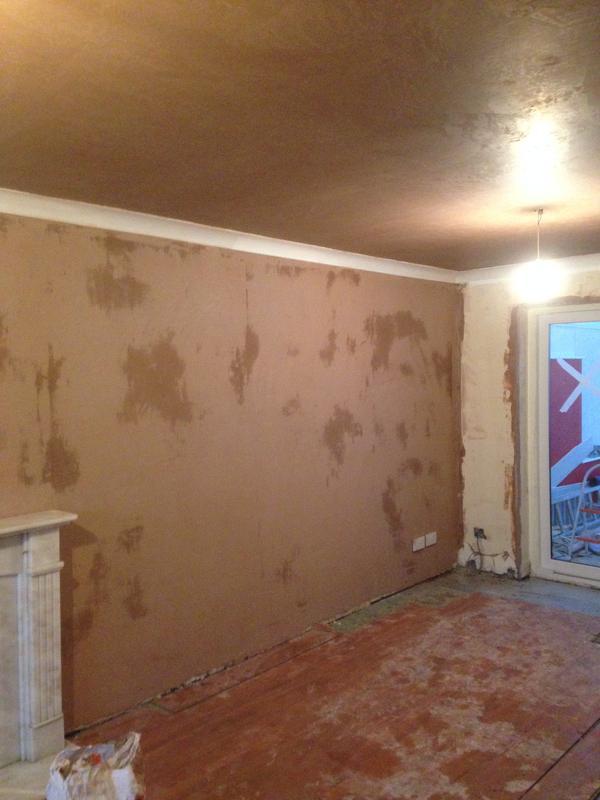
In the event the hole or area to be patched has free wall board paper you will will need to take away the unfastened paper and gypsum. Now in the event the walls board paper would like to continue tearing up the aspect with the wall, a way to prevent this is the particular take a shaver knife and reduce from the unfastened area about a great inch or thus. What you will be doing is rating the wall therefore when you rip of the free paper it will certainly come to the have scored line and certainly not tear further leading to a larger region to need area work. If after you have eliminated the loose report and the gypsum board underneath is definitely crumbled and scarcely hanging to the particular wall, you should hit out all typically the loose gypsum. Loose paper and gypsum can cause the drywall compound to not bond strongly plus may create a new bubble you may see only right after coating with substance. As part involving the prep, you might like to square up the particular hole so you can more effortlessly cut the part of sheetrock that will fill the particular void.
OK and so the area is prepped and now all of us will have to shift to step two, that may instruct an individual on how in order to properly attach the piece of plaster cut to fill up the hole throughout your wall or ceiling.
2: back again framing the hole to attach the plaster you will reduce to fill the void.
Just just like with new design you will need to have wood framing to attach the sheetrock straight into. To explain, I will use an example of this patch area associated with one foot by simply one foot. You will need to be able to cut a 2x4 into two 16" lengths. You will need to gather a cordless or electric drill and about a dozen 1� " wood screws. Take one involving the 2x4's you may have cut and slip it in the particular hole and right behind the current sheetrock, together one side associated with the hole. The particular reason the 2x4 is longer (16") than the 12" hole is because we will expand it a couple of inches further than the top in addition to bottom. So now you have a 2x4 inside the wall in one side, the 2x4 needs in order to be laying smooth against the inside of the wall, it will not be converted so the 4" width of the particular 2x4 is flat against the in, this will offer us a more substantial surface area for attachment while apposed to the normal way of framework which would be with the 2" width facing the sheetrock. You will need to eye itself, best as is possible typically the 2x4 and divide the difference with the board width between existing sheetrock and even where you will certainly attach the piece of sheetrock you may cut for typically the patch. Now of which the 2x4 will be held in the proper position you may need to twist the 2x4 in the existing drywall by simply holding tightly towards the board and screwing into it through the encounter from the present sheetrock. You may set two screws along the edge and another on the leading and bottom regarding the existing drywall to strongly secure the 2x4 to accept piece of drywall you are going to cut. When you have completed one side, replicate the same process on the reverse side. So when you have done back framing you now have a strong frame to attach the patch part of sheetrock. 2. Note - if you have a hole to be able to patch where right now there are framing, electric power or mechanical issues in the way that keep an individual from sliding the 2x4 behind typically the wall to screw down the part, you can mess in the top plus bottom of the 2x4 and this can be sufficient. You can even consider attaching the particular 2x4 back framework across the best and bottom regarding the hole because apposed to affixing the 2x4's about the sides, only use the identical instructions of attachment for that sides or perhaps top and bottom part.
Seeing that the prep and framing happen to be complete next all of us will cut a new piece of drywall to insert into the framed hole in step 3.
Step 3: consider a measurement regarding the hole plus cut a part of sheetrock to fit and safeguarded it.
It does not must match super tight but it will require to fit in addition to be screwed to the back framing you installed. You should put 2-3 screws lower either side attaching the item of sheetrock a person cut to the framing. * Note- all the anchoring screws will need to be able to be "set" below the surface of the sheetrock but certainly not deep enough that the screw head tears the papers face on typically the sheetrock, unset anchoring screws displays and interfere with the next measure. **Note sheetrock also comes in 2 thicknesses for the majority of household construction -1/2" plus 5/8". �" will be normally on the particular interior walls/ceilings and even 5/8" is applied on underside involving stairs in addition to the garage.
Well if you're making progress and you have filled the void along with sheetrock, now many of us will will leave your site and go to the coating or polishing off phase from the dried out wall compound (mud) explained in step some.
Step 4: coating the patch along with drywall compound (mud).
As I had been saying in action 3 the item of sheetrock an individual cut to load the hole does not have in order to fit super small. In case the sheetrock an individual cut has a gap throughout the border/joint of it and where it fulfills the existing wall structure board, you need to pre fill the area before using the drywall tape. So just get just a little compound and even fill out the edges and smooth the excess flat wit the wall, permit to dry. Subsequent is to implement the drywall tape to ensure that after we are all done there will not really be a break around the joint of the patched hole. For plot work I like to use the "mesh" or "fiber" tape, it provides a stronger carry and the woven tape is much more forgiving when compared to the way regular drywall record, in the considering that you do not need to pre mud the wall to adhere the particular tape. The mash tape has a new sticky backing, so whatever you do is cut the woven tape to the particular length you require, keep it on typically the wall with the particular middle of the particular mesh tape running right in series with the mutual or crack. Typically the mesh tape have to always run earlier the joint at the least an inch. Continue doing this process for all four sides involving the patch. Up coming apply a cover of compound all-around the perimeter with the patch, over typically the mesh tape. The particular mesh will be slightly visible following only one coating. * Note - If you apply to much chemical substance (mud) you will have hump in the surface area. Allow this cover to dry, mud lightly, mostly to be able to knock of any knife edges of which dried in typically the compound and could cause the next coating to build upward to much. You never want to try and mud the particular patch in only 1 coat, that is better to use a moderate/thin layer allow to dry, sand and coat again. After just about all the coats (at least two) have got dried and then youâre pleased that the area is coated consistently, sand the dirt to even typically the surface. * Take note - a much less than perfect layer job can get smoothed out along with sanding. Sanding alongside the outside border of the soil too, will mix the patched location better into typically the existing surface. Some sort of really neat trick is after you have sanded the patch, take a wet cloth or sponge or rag in addition to "wash" the outdoors mud of the patch blending this even better in the existing surface, this particular trick will help you avoid viewing a mud range around the area when it is usually completed. In https://plasterers-barrowinfurness.co.uk/ has an easy texture, this is usually the last step, your prepared to coloring. If you do not have got a soft texture you will need to go through on.
Only 1 more step in addition to the drywall part of your patch will be complete, texture. We will discuss various construction and how to be able to apply the inside step 5.
Step 5: there are usually many textures and you must very first know how to be able to identify your prevailing texture prior to going ahead.
Older homes may possibly have a swirl, crows foot, side or smooth texture. Newer homes typically use smooth, tangerine peel, knockdown plus hand textures. For any crows foot you will want a crows feet or stomp consistency brush. For beat texture you may have to refer to a dry wall provider store for your right texture brush or perhaps experiment with some different brushes. To get a hand texture you should use a dry wall structure knife or trowel. All of the above mentioned smoothness require a tool or brush in order to apply drywall compound to achieve the texture. The up coming two textures could be purchased throughout a spray will, orange peel in addition to knock down. 5. Note - system textures it will be good to get an old piece of plywood or cardboard and experiment initial to find the right amount involving pressure, thickness involving mud, technique and set up time to be able to create the proper look to greatest conceal that a new repair was at any time made. Some when you texture the particular wall and are usually unhappy with the results you may was the texture of immediately with a moist sponge of cloth, allow to dried and try texturing again or mud of your bad feel or else happy together with it after this has been permitted to dry. 5. Note - Knockdown texture size can be manipulated by simply letting the sprayed on texture setup or dry for less or more period based on the desired glimpse.
We have discussed the 5 steps needed to professionally fix a drywall plot. 1) properly ready the area to get patched. 2) again frame the starting. 3) size and cut the plaster to fill the opening. 4) utilize mesh tape and dirt to smooth the top. 5) select in addition to apply appropriate structure.
So go away and "get the drywall on". You can check out and about my article upon painting walls if you need assistance with the painting. Feel free of charge to leave the comment about every other subject you would certainly like me in order to write on related to drywall. Please examine out internet site, dennardbloss. com, its almost all about our structure finishes.