

Thank an Electrician Today
If you turned on your computer, started up a light, or just got a cold drink out from the refrigerator, chances are there is a construction electrician on the market that you owe thanks. Construction electricians are in charge of installing the conduits and wiring that bring electricity into buildings, offices, and residential structures. Click for info may also be in charge of installing signal communication systems, alarms, and other electrical equipment needed to make a structure livable.
What's the work Like?
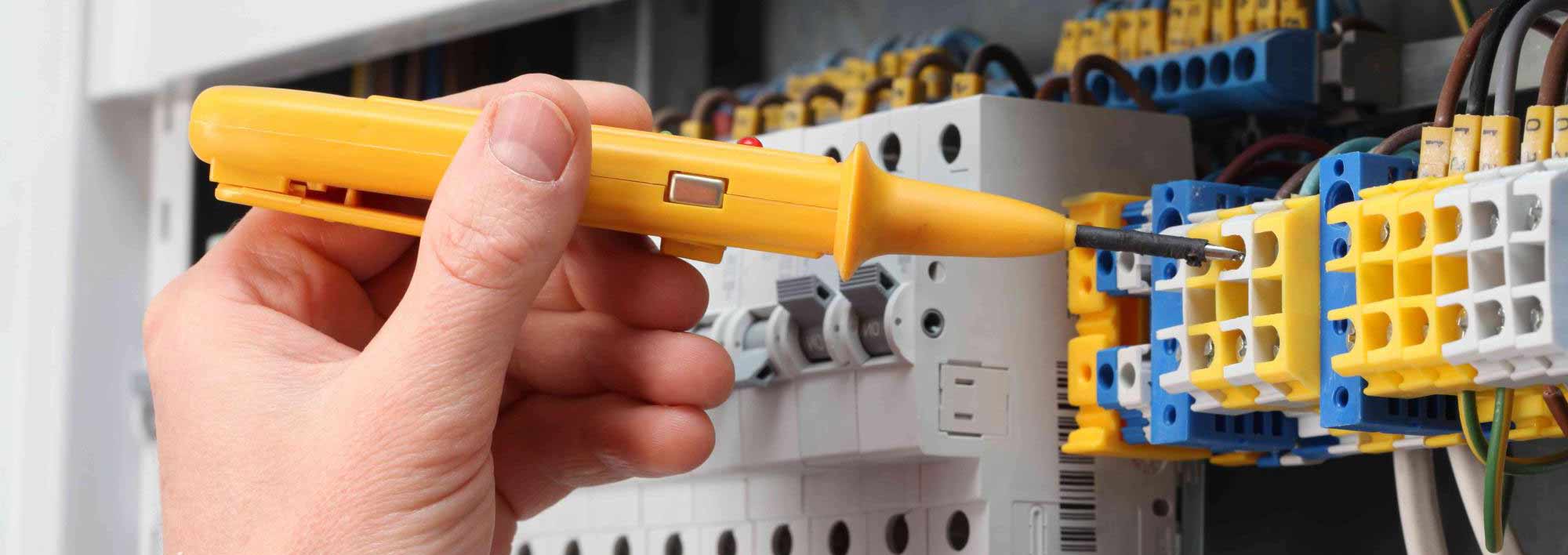
Although construction electricians usually work inside on construction sites, where they're in charge of installing the electrical hardware of a building or worksite, they may occasionally need to work outside in the elements. Construction electricians usually begin work soon after the structure is framed, as their job requires threading metal electrical conduit (a type of pipe that protects the building wiring) through the walls and floors of the building. Because the conduit goes in, they also link electrical plugs, switches along with other electrical management hardware to it, threading wires through the conduit, and connecting it to these power points. Construction electricians use screwdrivers, pliers, along with other hand tools, along with electrical test meters to check on voltages and pipe benders and hacksaws to cut and bend the conduits they install.
Construction electricians are more than just pipe fitters and wire cutters. They must also learn how to browse the blueprints that describe the locations of where electrical wiring runs in a building. They have to know about all local and state building codes and the specifications for several forms of residential and commercial electrical hardware. They also need to know the best methods to prevent short circuits or other electrical dangers that could appear in the wiring of a structure.
Since construction electricians sometimes work outside, they may be exposed to wind, rain along with other bad weather. Working conditions require standing several hours on ladders, work platforms, or in cramped workspaces. Construction electricians must also be careful in order to avoid dangerous shocks and injuries from the high voltage equipment they must install. Regarding factory or commercial construction, they may have to deal with extremely powerful transformers, switch systems, and circuit breakers handling hundreds of watts of electricity.
Qualifications
Even though many construction electricians learn their trade as apprentices to senior electricians, others learn the ropes through formal training programs available through community colleges and vocational schools. These programs typically require a high school diploma or GED equivalent. The International Brotherhood of Electrical Workers and the National Electrical Contractors Association both offer four-year programs, along with assigning apprenticeships between locations and providing work programs that bring experienced electricians and apprentices together.
Under Take a look at the site here , apprentices are anticipated to master 144 class hours per year, along with four years of on-the-job training under a senior electrician. Classes include trained in wiring layout, electronics, blueprint reading, mathematics and electrical theory and applications.
Great post to read for a construction electrician is $20.33 an hour, with some variation based on location and experience. In general, since these positions are usually union-affiliated, salaries are virtually equal across a geographical area.
Employment Outlook
About two thirds of the 659,000 electricians employed in the United States are employed in the construction field or related jobs. With the expansion of computers, smart houses along with other sophisticated electronic systems, the projected dependence on skilled construction electricians is likely to be very good through another decade, although recent downturns in the housing construction market may have a cooling influence on this growth. Even so, job growth is expected to hold equal with the national average through 2014.
How to get Work
While some construction electricians enter the field by working as helpers under a senior electrician at an area job site, the most effective way to start a career being an electrician is though one of the many apprenticeship programs offered through a union or the National Electrical Contractors Association. As most construction electricians may also be union members, they are often referred by the union for jobs in a local area.
Potential for Advancement
The prospect of skilled construction to advance is normally quite good, with experienced electricians frequently upgrading to management jobs as estimators, superintendents, and job site supervisors. Out of this point, they may decide to start their own contracting businesses or are consultants, handling electrical bids for other contractors. Many senior electricians will be able to parlay their experience into related fields, such as for example factory, aircraft construction, or shipbuilding electrician roles.
Conclusion
If you're seeking to take charge of your future (pun intended), you won't have to look beyond a lifetime career as a construction electrician. A vital part of the construction industry in both residential and commercial areas, this is one job that'll be in demand provided that people need lights, air conditioning, and electrical outlets in the spaces they live in.